
DETai Onboarding
The route into the ecosystem: from first contact and value alignment to working tools, a role and an independent contribution.
Admission to the team runs in cycles. If DETai onboarding interests you, you can submit an application below and we will return to it before the next cycle starts. the process is scheduled to begin in October 2026.
Onboarding
Onboarding is open
If you see this section, the ecosystem is currently bringing in new participants.
You are at the Preboarding stage: getting to know the concept, architecture and principles through the site and dialogue.
Onboarding is a multi-level path into the system. It helps a person move from observing the ecosystem from outside to participating in it with a shared understanding of its meaning, structure, and working principles.
During onboarding, a participant not only studies the system but also tries real workflows and sees the ecosystem from the inside.
Meaning → Knowledge → System → Role → Tools → Action
Onboarding: the path to ecosystem integration
This page describes a sequential route into the ecosystem: no overload and no pressure, but a clear logic of movement.
It is not a formality or a probation period, but a gradual integration into thinking, language, tools and responsibility.
The full cycle takes about 3–4 months on average.
0) Preboarding
(you are here now)
Initial contact with the ecosystem through the site and key materials, followed by a personal meeting to discuss direction and expectations.
The aim is to understand whether there is resonance, value alignment and a reason to continue.
Duration: 1–3 weeks.
1) Organizational Onboarding
(2 days)
An intensive session that presents the ecosystem as a whole:
- DET logic and DETai architecture
- management levels and strategic development map
- a shared language for collaboration and teamwork
2) Knowledge Immersion
(2–4 weeks)
Asynchronous immersion into the knowledge base. The participant studies:
- key documents and conceptual materials
- current work directions and their connections
- systemic understanding rather than simple accumulation of information
3) Tooling Integration + Ownership Phase
(4–8 weeks)
The stage focuses on mastering working tools and processes through real tasks.
The participant starts using ecosystem infrastructure and completing tasks that move the system forward.
- introduction to GitHub, ClickUp, Linear and other tools
- first real tasks
- movement from involvement to co-ownership, responsibility and independence
🔎 Alignment Reflection
During and after the stage, a reflective meeting is held to discuss:
- value alignment and inner comfort with the direction
- possible roles and a natural zone of involvement
- a mutual checkpoint, not a formal evaluation
Path logic
| Stage | What is formed |
|---|---|
| Preboarding | Initial resonance |
| Organizational Onboarding | Holistic understanding of the system |
| Knowledge Immersion | Deep internal integration |
| Tooling Integration + Ownership Phase | Operational confidence, contribution and responsibility |
After the Ownership Phase, the participant is considered integrated into the ecosystem and can expand their zone of influence and strategic involvement.
This page describes a sequential route into the ecosystem: no overload and no pressure, but a clear logic of movement.
It is not a formality or a probation period, but a gradual integration into thinking, language, tools and responsibility.
The full cycle takes about 3–4 months on average.
0) Preboarding
(you are here now)
Initial contact with the ecosystem through the site and key materials, followed by a personal meeting to discuss direction and expectations.
The aim is to understand whether there is resonance, value alignment and a reason to continue.
Duration: 1–3 weeks.
1) Organizational Onboarding
(2 days)
An intensive session that presents the ecosystem as a whole:
- DET logic and DETai architecture
- management levels and strategic development map
- a shared language for collaboration and teamwork
2) Knowledge Immersion
(2–4 weeks)
Asynchronous immersion into the knowledge base. The participant studies:
- key documents and conceptual materials
- current work directions and their connections
- systemic understanding rather than simple accumulation of information
3) Tooling Integration + Ownership Phase
(4–8 weeks)
The stage focuses on mastering working tools and processes through real tasks.
The participant starts using ecosystem infrastructure and completing tasks that move the system forward.
- introduction to GitHub, ClickUp, Linear and other tools
- first real tasks
- movement from involvement to co-ownership, responsibility and independence
🔎 Alignment Reflection
During and after the stage, a reflective meeting is held to discuss:
- value alignment and inner comfort with the direction
- possible roles and a natural zone of involvement
- a mutual checkpoint, not a formal evaluation
Path logic
| Stage | What is formed |
|---|---|
| Preboarding | Initial resonance |
| Organizational Onboarding | Holistic understanding of the system |
| Knowledge Immersion | Deep internal integration |
| Tooling Integration + Ownership Phase | Operational confidence, contribution and responsibility |
After the Ownership Phase, the participant is considered integrated into the ecosystem and can expand their zone of influence and strategic involvement.
Possible roles and directions
DET and DETai include several connected directions where a person can contribute. Roles are not fixed; they can adapt to each participant's interests, experience and readiness.
Each direction opens different opportunities and processes for those ready to contribute to development.
Important to remember
You do not need to be an expert in design, programming or technical work to become part of the ecosystem. What matters most is the inner desire to develop, create and influence change in psychology and technology.
We work in an environment where everyone gains access to modern tools, including GPT, GitHub, Canva and other platforms. If the terms are unfamiliar, they can be learned in the team.
To love psychology is not only to be interested in it. It is to be ready to work on what truly matters.
We love what we work on, and we work on what we love.
We would be glad to create the future together.
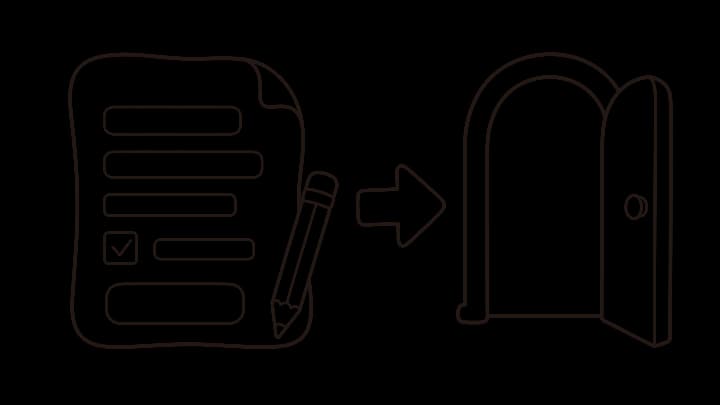
Team participation request
Tell us where you would like to contribute, what experience you can bring, and what you would like to do with DETai.
Frequently asked questions about DETai onboarding
What to know before applying: who can participate, how the route works, and what collaboration is built on.
01Who can join DETai?
Participation is open to people from psychology and psychotherapy, research, development, design, media, and organisational work. What matters is not a formal job title by itself, but a possible contribution to a real ecosystem task.
02Do I need specialised experience to apply?
Not for every role. What matters is sharing a common view of the development of psychology and technology and being genuinely aligned with the DETai participation principles: responsibility, autonomy within a shared form, and readiness to turn a contribution into a visible result. Please review them before applying.
03How long does DETai onboarding take?
The full cycle takes about 3–4 months on average. It includes preboarding, immersion in the architecture and tools, trying a role through real tasks, and a shared reflection on further participation.
04Do I need to know my exact role in advance?
No. Possible directions are discussed during onboarding, and the role becomes clearer through your interests, experience, pace, and real contribution. It can change as you get to know the ecosystem.
05What happens after I submit an application?
The application becomes the first context for getting acquainted. The team reviews current onboarding availability, a possible direction of participation, and value alignment, then contacts the applicant with a next step.