
Integration
🪡
“How did you create the concept without this? Did you not experience yourself as sperm and egg?
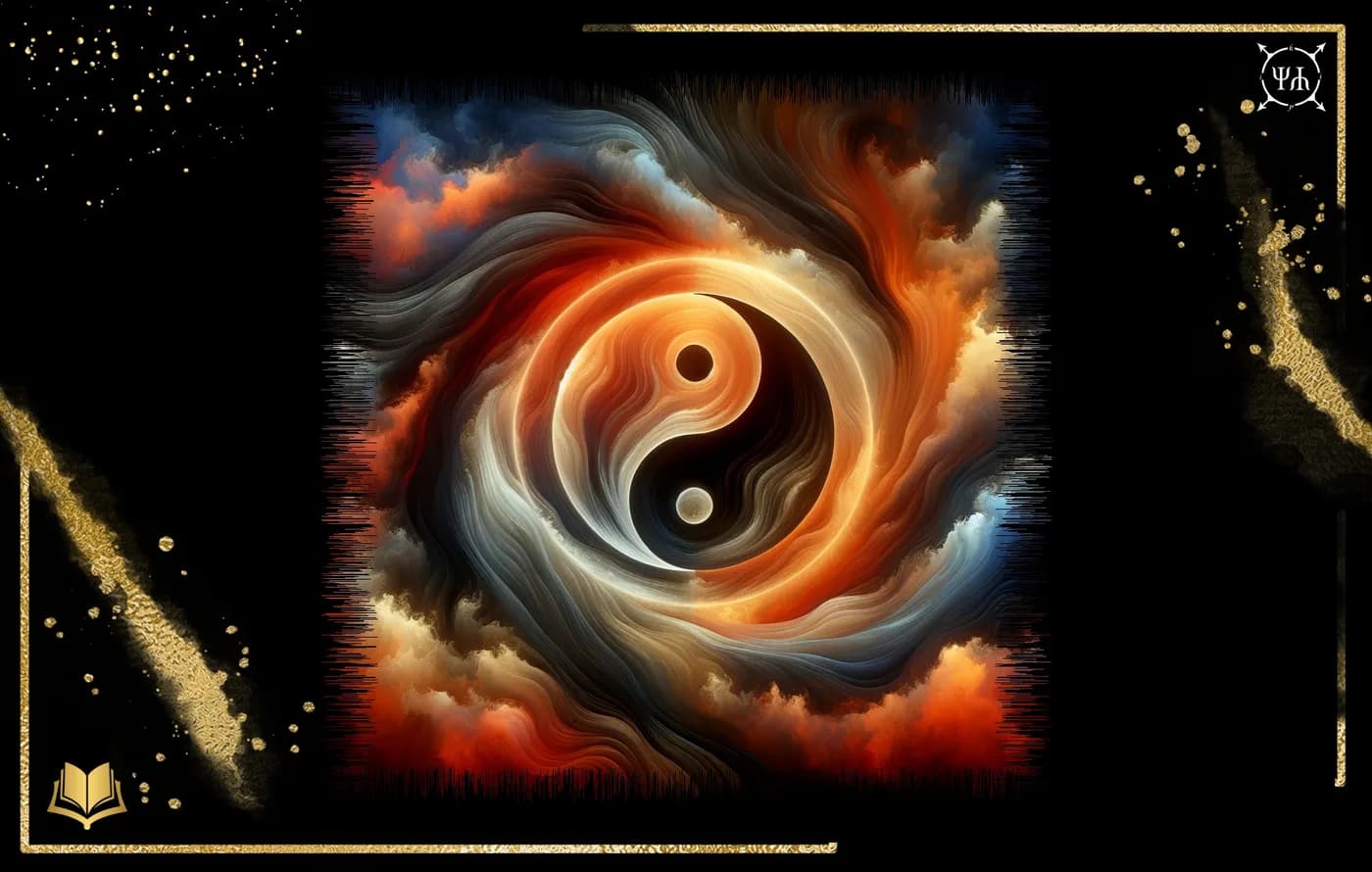
Exactly. You can call it Yin and Yang, or the masculine and feminine substance, as Winger understood it. He said—and I believe he was right—that each of us has both masculine and feminine substance, and that a purely masculine man and a purely feminine woman are rare. My own observations confirm this. In many neuroses, as in many psychoses, I have observed a vivid conflict between the masculine and feminine substance; in giftedness I have seen an integration of these opposites. In neurosis there is a split into right and left; in genius, ambidexterity becomes stronger.
I believe deeply in integration. I have already brought together several of my opposing forces, but many more still need to be united. It seems to me now that Gestalt therapy is not an analytic but an integrative approach. This will become even clearer when we are ready to discuss therapies.”
Integration 🌟 is a key to understanding the deep processes taking place in our psyche. In reflecting on masculine and feminine substances, Frederick Perls touches on the integration of opposites—a theme important not only in individual therapy, but also in a broader understanding of human nature. Yin and Yang, forming a harmonious union, symbolize a balance many of us seek. In a world where extremes so often collide, integration becomes a saving bridge between polarities, allowing us to feel more whole and balanced.
Today, perhaps more than ever, society confronts us with challenges connected to the search for inner harmony. Social expectations, stereotypes, and cultural norms can press us into fitting a prescribed image. Yet recognizing and accepting our inner multiplicity lets us understand ourselves and others more deeply and helps create more authentic, durable relationships. In psychology, integration does more than support psychological health: it enriches experience, opens new perspectives, and improves quality of life. Calling us toward unity and acceptance of every aspect of our being, Perls reminds us that the difficulty of integration may contain a path toward development and a deeper understanding of ourselves. 🧠💡
Category: Dark and light sides of personality
Questions about this article
01What does Perls mean by integration in the quoted passage?
Integration is not one inner force defeating another, but the recognition, comparison, and joining of polarities into a more coherent way of being. Perls also presents it as an unfinished process that continually leaves further material for assimilation and growth.
02Does integration erase difference and inner tension?
No. Polarities remain distinct but cease to operate as wholly isolated or mutually exclusive parts. Their tension can become material for development when it can be noticed and held instead of automatically suppressing one side.
03Are the claims about neurosis, psychosis, genius, and ambidexterity a current scientific model?
No. These are historical reflections by Perls, not current diagnostic criteria or a validated causal theory. They should not be used to diagnose people, assess giftedness, or reduce complex psychology to binary “masculine” and “feminine” substances.
04Who is “Winger” in the quotation, and how reliable is that reference?
The content almost certainly points to Otto Weininger and Sex and Character, which discusses mixtures of masculine and feminine elements. The name was likely distorted in translation or transcription; Weininger's historical work includes sexist and antisemitic claims and is not a contemporary psychological standard.