
Stars Over Pantelleria
A lazy summer in an inner courtyard is not about action or even about a place. It is a talisman.
And above the riad — the Milky Way,
where stars are entire worlds,
blessing your steps along the road,
watching from beneath the heavenly veil of the Virgin Mary.
The tree of the soul is in bloom and gives a sign,
carefully nourishing you and leading you onward.
There is Henry Thoreau, Life in the Woods:
“My experience, at least, taught me this: if a person advances confidently in the direction of a dream and tries to live the life it suggests, a success unexpected in ordinary hours awaits. Some things will be left behind; invisible boundaries will be crossed; new, universal and freer laws will establish themselves around and within, or the old laws will be interpreted in a broader and more favorable sense, and one will gain the freedom appropriate to a higher being... If you have built castles in the air, your work need not be lost; that is where they should be. Now put foundations under them.”
The thoughts of those who have already died wander through the wet grass here, in the inner courtyard. Memory stands like a deep pool: you lower your head into it, and there is your whole life, from childhood to choice, quietly floating past — everything that was and everything that may yet be. You seem to sleep, cut off from noise, bustle, war, pursuit, dreams, effort...
And the tree nourishes, and the leaves fall.
In a park made of a sequence of dreams, to remember dreams and live with them by day is a precious treasure.
The pain, mistakes, and injuries of the city loosen their grip.
Books, dates, pomegranates, and figs feed you.
Beyond your beauty — bitterness sharper than wormwood,
the wisdom of a Hasid... to have been in Jerusalem...
For now, grass pushes up beneath your feet, an owl lands on a fir tree, and a fox sits at the forest edge.
They patrol the perimeter of the dream while strength sleeps inside you — let it grow, because the city is there, and one day you will have to return to it, to go mad again, but for now...
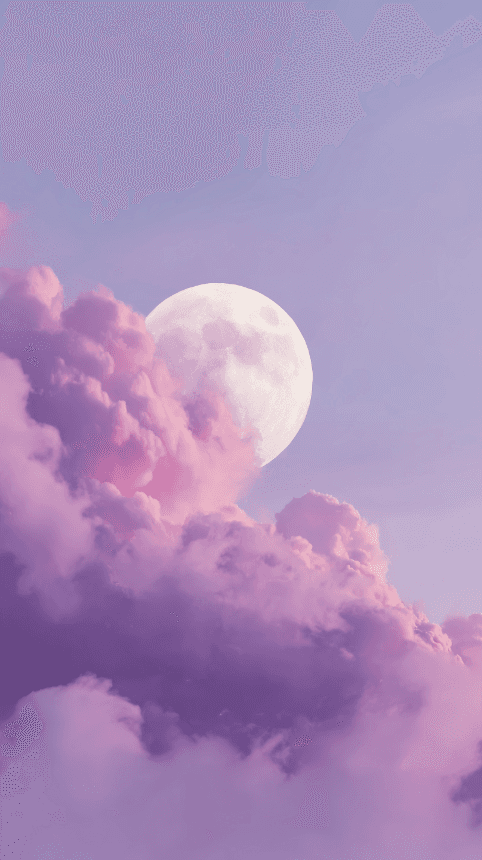
Stars over Pantelleria,
and over the riad hidden in the medina,
through clouds and far from all the world
they shimmer like the night eyes of the Almighty.
For stars are not only in the sky. Kant noticed that there are stars within us as well.
This is our moral firmament: imperishable and enduring laws by which a person lives.
We may fail to notice them behind the “clouds” of civilization and all the filth we are fed.
They shine with extraordinary brightness where no streetlamp stands; and once you have seen them, you will know that stars exist both in the sky and inside you.
P.S. These are not words. This is a talisman...
Questions about this article
01Why do the stars become an image of moral orientation?
The essay places the night sky beside an inner moral sky: principles may be obscured by noise and habit, yet they remain points of orientation once a person has truly noticed them.
02What does inner silence make possible in this text?
Distance from hurry, war, striving, and urban noise allows memories, books, dreams, and bodily rest to return. Silence is presented as a temporary shelter in which inner strength can grow again.
03How does memory function in the essay?
Memory is pictured as a pool into which past, childhood, choices, pain, and hope flow together. Returning to it does not erase experience; it helps the author feel continuity between what has been lived and what still guides him.