
Sport Saved My Life
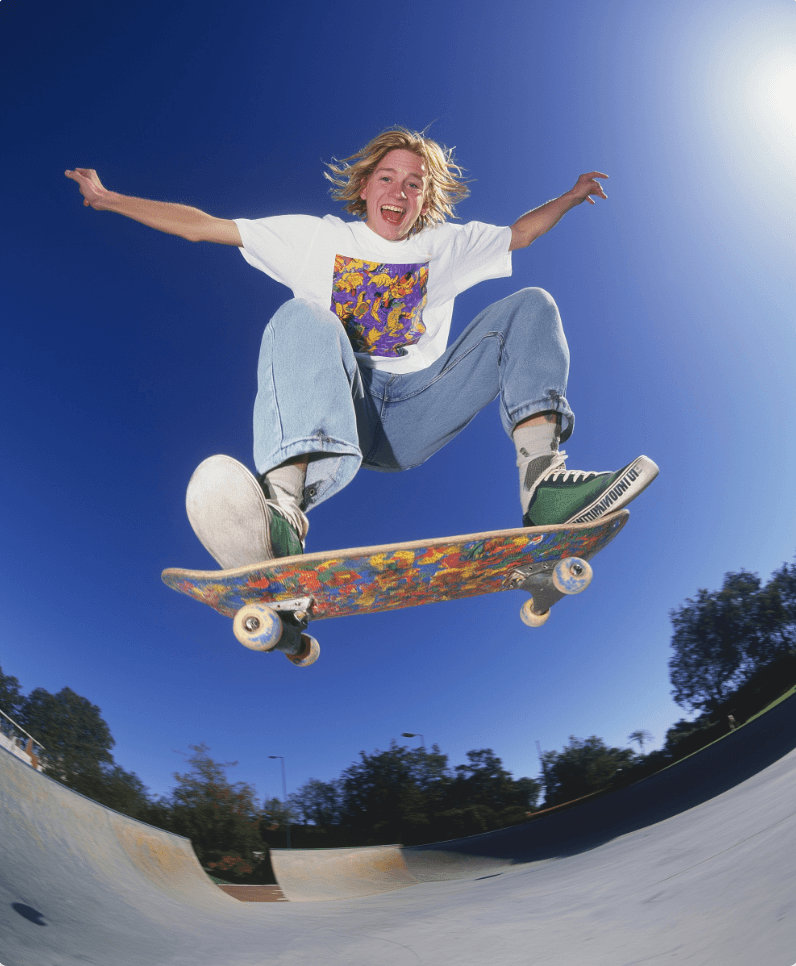
Sport saved my life—now it is time to repay the debt. 🤝🏻
It is a powerful sentence and easy to read as advertising copy. Let me be precise: I am speaking about my own experience, not promising that exercise will rescue every person from every crisis. Sport does not replace a doctor, psychotherapy, a safe environment, or support from other people. In my story, however, it became one of the places where life regained rhythm.
What was actually saving me
Training offered a simple sequence: arrive, meet today's condition, do the work that is available, receive feedback, and return later. It was a world in which not everything depended on one burst of inspiration and failure did not mean a final verdict.
Hundreds of repetitions gradually taught me that effort can be dosed, movement can be learned, and today's limit need not be permanent. This formed my overcoming mindset—not an order to win at any cost, but a habit of looking for the next possible step.
“An Overcoming Mindset: Character, Body, and Freedom” examines that relation in more detail. The body is not a subordinate instrument of will. It participates, provides feedback, and sets a boundary that motivational language cannot repeal.
A skill does not transfer by itself
The popular story says that someone who learns to endure in the gym will automatically cope with any difficulty in life. Sporting skill, however, does not move into relationships, education, or work without translation.
It helps to ask what exactly is being transferred:
- breaking a large task into sets;
- regularity instead of waiting for the perfect mood;
- attention to technique rather than outcome alone;
- noticing progress over a long distance;
- accepting help from coaches and partners;
- treating recovery as part of the process.
By contrast, ignoring pain, turning everything into competition, or treating rest as weakness can cause harm outside sport. “Struggle: Does It Make Us Weaker or Stronger?” considers the conditions under which overcoming strengthens or destroys.
Load, pain, and stopping
“Giving one hundred percent” sounds impressive but is not precise enough. Fatigue after exertion, the sensation of working muscles, acute pain, signs of injury, and chronic exhaustion are different signals. Character is not measured by an inability to tell them apart.
The World Health Organization emphasizes the health value of regular physical activity while recommending intensity appropriate to different people. A safe load depends on age, condition, experience, and medical limitations.
This article is not a training programme. If movement causes sharp or unusual pain, dizziness, fainting, severe breathlessness, or other worrying symptoms, continuing heroically is not a psychological victory. Stop and seek an appropriate professional assessment.
The joy of movement matters more than a cult of suffering
An earlier version of this essay reproduced long passages from Kelly McGonigal's The Joy of Movement. I will keep the idea rather than the quotations: movement can connect effort with hope, pleasure, belonging, and support from other people.
This corrects the image of a solitary hero. Many sporting practices depend not only on individual will, but on shared rhythm: someone spots you, explains technique, waits at the finish, notices fatigue, or simply turns up to train beside you.
For me, sport was not only a way to withstand difficulty. It brought pleasure in my own body, curiosity about movement, and an experience of being present. If we retain only suffering and records, we lose much of what makes movement worth doing.
A limit as information
A limit need not be an enemy. Sometimes it reports a missing skill, sometimes a poor strategy, and sometimes it protects health. Development begins not by denying the boundary but by investigating it.
“The Limits of the Possible” continues this conversation: ambition matters, but becomes productive through contact with reality. Good training does not prove that limits do not exist. It helps us distinguish which limits can move, which require time, and which should be respected today.
What I give back to sport
Repaying a debt does not mean prescribing one discipline to everyone. For me, it means describing what worked without concealing its conditions or cost. It means supporting practices in which growth is not detached from safety, nor strength from the ability to ask for help.
My master's thesis was one way of researching this subject. A video of the defence shows how personal experience became a research question.
Today I would put the conclusion this way: sport did not give me armour against life. It gave me repeated experience of returning to it. I could fall, recover, revise my technique, and try again. That—not endless pain—became an inner support.
#Sport #Overcoming #Resilience #JoyOfMovement
Questions about this article
01Can sport genuinely change a person's life?
Regular physical activity can provide rhythm, social connection, a sense of skill acquisition, and gradual progress. Its effects depend on health, circumstances, and available support; sport does not replace treatment or guarantee psychological resilience for everyone.
02Does sporting discipline transfer automatically into the rest of life?
No. Training offers experience with goals, repetition, and feedback, but transfer requires reflection: a person must identify which skill applies outside sport and where sporting logic does not fit.
03Should people train through pain to build character?
No. Exertion, ordinary discomfort, acute pain, signs of injury, and chronic exhaustion are different. Intensity must fit the person's condition, and warning symptoms call for stopping and professional assessment.