
The Salt Doll
The Salt Doll: the origin of Ramakrishna's parable, inner support, psychological boundaries, fusion, self-knowledge, and the difference between a spiritual metaphor and losing oneself.
February 02, 2025 · Anton Kolhonen
Rubric

A rubric about perceiving tension and difficulties as necessary material for personal growth and a source of inner transformation.
Orientation toward overcoming describes the ability to see tension and hardships not as accidental failures but as integral elements of development. Crises and contradictions are not only obstacles, but stimuli that activate internal mechanisms of transformation. The point is not to deny pain or complexity, but to transform them into a resource for growth while holding a developmental perspective under pressure and uncertainty.
Applied when working with traumatic experiences, prolonged stress, and periods of “stuckness,” helping to reframe experience as material for strengthening and resilience. Useful in choice situations where one must withstand pressure and remain oriented toward development. Visual metaphors: “civilization’s tension,” “after sunset comes dawn,” “what doesn’t kill you makes you stronger.”
Applied when working with traumatic experiences, prolonged stress, and periods of “stuckness,” helping to reframe experience as material for strengthening and resilience. Useful in choice situations where one must withstand pressure and remain oriented toward development. Visual metaphors: “civilization’s tension,” “after sunset comes dawn,” “what doesn’t kill you makes you stronger.”
The Salt Doll: the origin of Ramakrishna's parable, inner support, psychological boundaries, fusion, self-knowledge, and the difference between a spiritual metaphor and losing oneself.
February 02, 2025 · Anton Kolhonen

Does struggle make us weaker or stronger? A reflection on resilience, hardship, personal growth, and the boundary between development and exhaustion.
January 29, 2025 · Anton Kolhonen
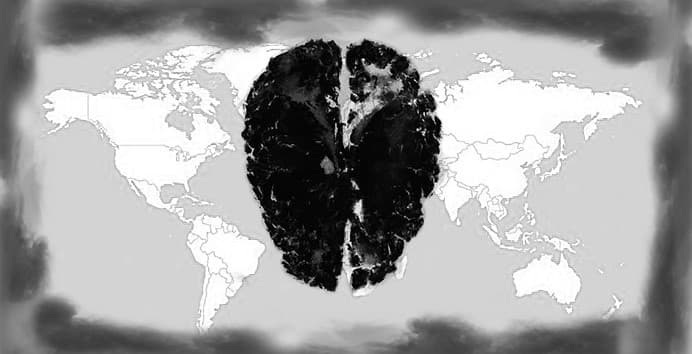
Tension of civilization is treated as both trial and resource: the post examines three paths of escape and Popper’s rational response.
February 23, 2023 · Anton Kolhonen
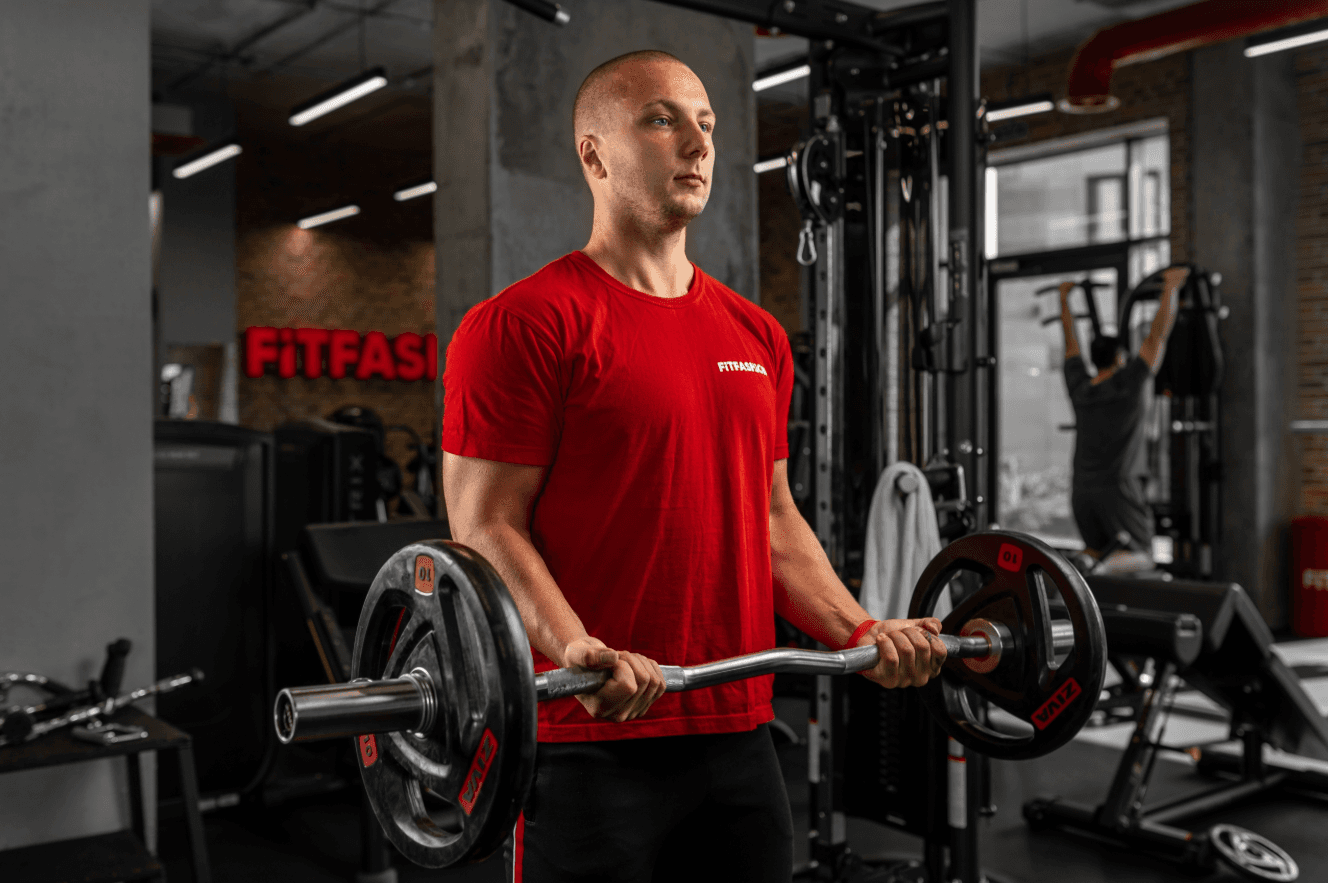
Existential training is presented as a practice of overcoming where regular sets develop resilience, discipline, and the ability to grow through difficulties.
April 18, 2022 · Anton Kolhonen

How sport may support resilience: personal training experience, transfer of skills into life, the joy of movement, recovery, and the difference between useful exertion, injury, and exhaustion.
April 04, 2022 · Anton Kolhonen
The Desert of Statuslessness: non-belonging, self-punishment, an overcoming mindset, deconstructing familiar patterns, and living with uncertainty.
October 22, 2021 · Anton Kolhonen
Shaping character without worshiping suffering: personal agency, values, resilience, limits of control, recovery, and sustainable effort.
October 04, 2021 · Anton Kolhonen
Fear of change and anxiety about uncertainty: recognizing avoidance, checking predictions, choosing a reversible step, and preserving freedom of choice.
June 27, 2021 · Anton Kolhonen

The mindset of overcoming is explored through character formation, physical training, psychological shadow, degrees of freedom, will, responsibility, and the difference between avoidance and productive struggle.
February 09, 2021 · Anton Kolhonen
Resignation, perseverance, and goals: distinguishing withdrawal, a recovery pause, a change of strategy, burnout, and a condition that calls for help.
January 20, 2021 · Anton Kolhonen
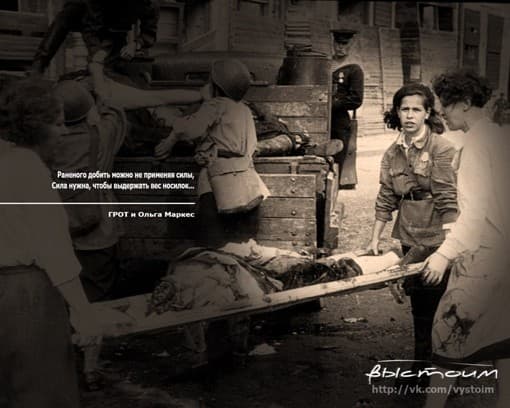
Resilience and being there for others: a collection of quotes about the strength to withstand adversity and the importance of human presence during difficult times.
January 11, 2020 · Anton Kolhonen

Reflection on how believing in oneself and living through defeats shape character and broaden the amplitude of life.
December 10, 2018 · Anton Kolhonen
A motivational parable about the idea that real success comes when you want it as fiercely as you want to live.
May 16, 2016 · Anton Kolhonen