
Inner Inventory
Inner Inventory is an essay on self-knowledge, reflection, psychological defenses, character patterns, significant places, and the difference between change and self-sterilization.
February 05, 2025 · Anton Kolhonen
Rubric

A rubric about the interaction of opposites in human experience and their integration as a source of development and resilience.
Human beings are creatures living between opposites such as good and evil, body and spirit, passions and conscience, creation and destruction. These poles are not defects or mistakes; they are important forces whose interaction produces movement, growth, and a deeper understanding of self. The task is not to eliminate contradictions but to learn to see them as interacting forces. Dialectical perception allows one to hold the tension between poles, find new meanings, and turn conflict into a resource for development.
Applied as a foundational vector of dialectical-existential therapy (DET). In therapeutic analysis: helps identify inner poles (values/impulses, ideals/desires, responsibility/freedom) without reducing them to “right” and “wrong,” but by exploring their dialogue. Useful when working with ambivalence, guilt, shame, anger, conflicting decisions, and crises. Visual metaphor: “Shadow and Light 🌓” — not a struggle, but a dynamic in which both poles are necessary for wholeness and movement.
Applied as a foundational vector of dialectical-existential therapy (DET). In therapeutic analysis: helps identify inner poles (values/impulses, ideals/desires, responsibility/freedom) without reducing them to “right” and “wrong,” but by exploring their dialogue. Useful when working with ambivalence, guilt, shame, anger, conflicting decisions, and crises. Visual metaphor: “Shadow and Light 🌓” — not a struggle, but a dynamic in which both poles are necessary for wholeness and movement.
Inner Inventory is an essay on self-knowledge, reflection, psychological defenses, character patterns, significant places, and the difference between change and self-sterilization.
February 05, 2025 · Anton Kolhonen

The orthographic shibboleth: language psychology, the shadow, error, self-expression, group identity, and the function of unusual style.
January 22, 2025 · Anton Kolhonen
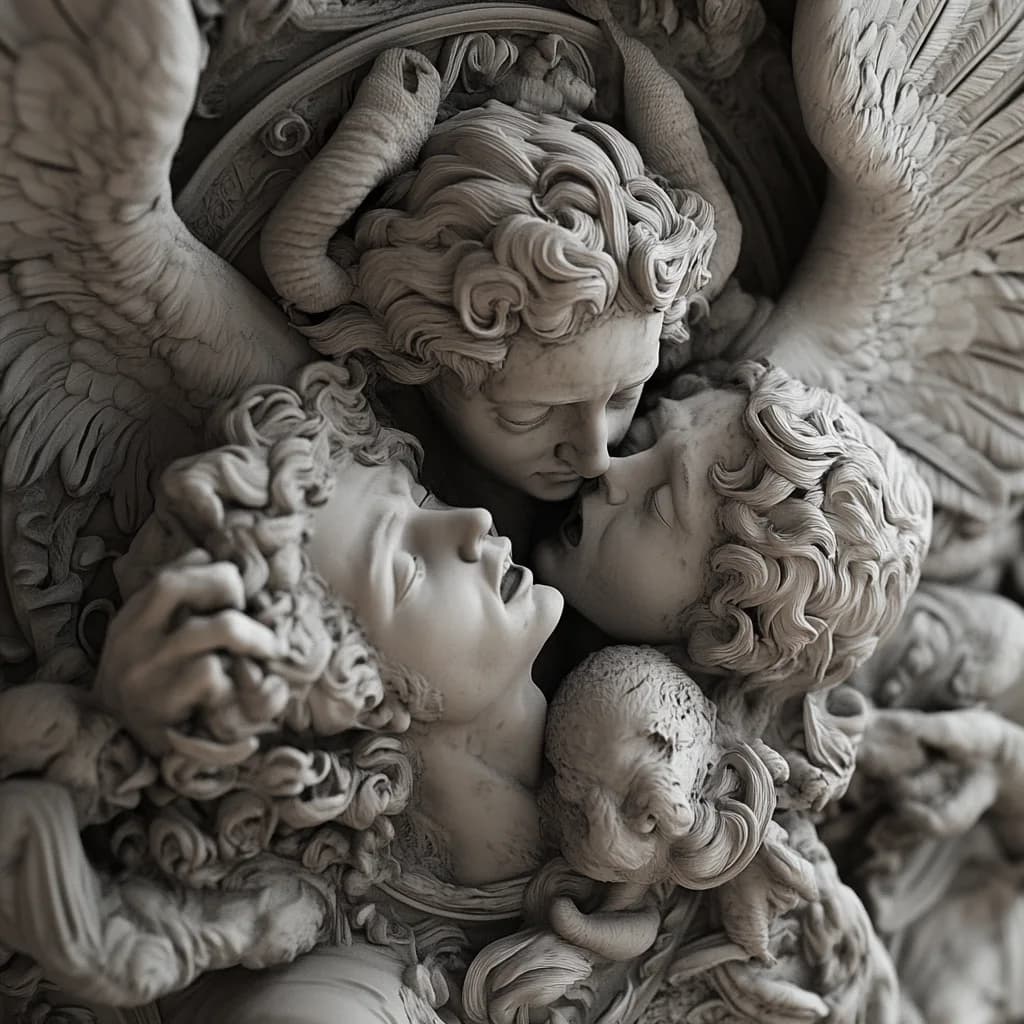
Self-flagellation and pride: self-devaluation, vulnerable narcissism, the punitive introject, negative therapeutic reaction, and a path from punishment to responsibility.
January 19, 2025 · Anton Kolhonen

Shadow Moods is an essay on psychological shadow, depressive states, selective memory, inner conflict, self-observation, and the fragile search for a point of support.
January 15, 2025 · Anton Kolhonen

The child as container: Anton Kolhonen reflects on psychotherapy, personal experience, and the psychological work behind inner change.
January 12, 2025 · Anton Kolhonen
Tales of the North Wind: nine connected essays on the psychological shadow, self-criticism, defenses, inner crises, and possibilities for transformation.
January 08, 2025 · Anton Kolhonen

A reflection on the path to psychotherapy: why professional knowledge matters, yet personal qualities, humanistic principles, and the therapist's inner maturity play the decisive role.
March 14, 2022 · Anton Kolhonen
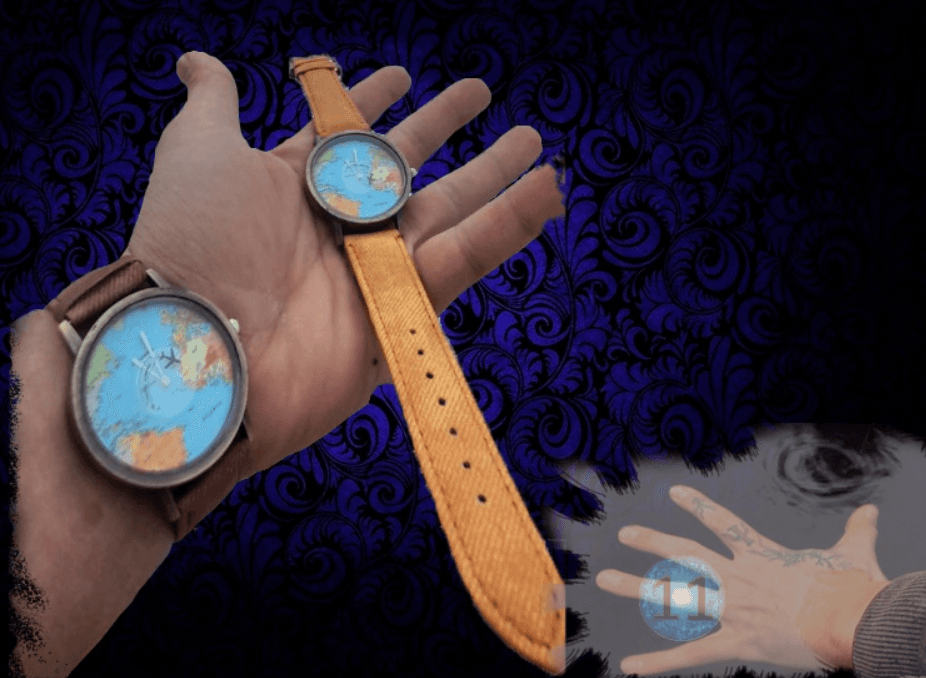
A post on the dialectic of Shadow and Light in relationships: how inner contradictions, trust, and shared meaning help us move from personal hell to maturity.
January 16, 2022 · Anton Kolhonen

Rollo May on love and will: how eros, friendship, and accepting one’s own daemonic side shape mature relationships and the capacity to love.
July 06, 2021 · Anton Kolhonen

A look at Berne’s script paradox: how the drive for freedom and struggle can become a trap and call for shadow integration.
April 07, 2021 · Anton Kolhonen
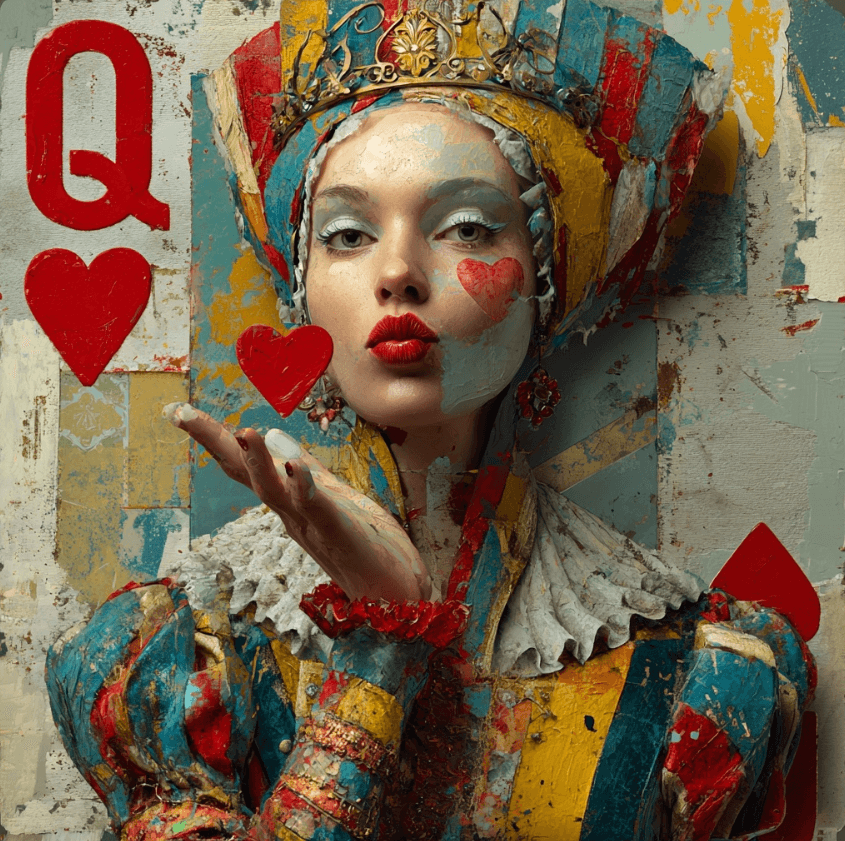
A psychological analysis of the dark side of personality: why “good” people can be cruel and how integrating the Shadow supports development.
August 06, 2020 · Anton Kolhonen
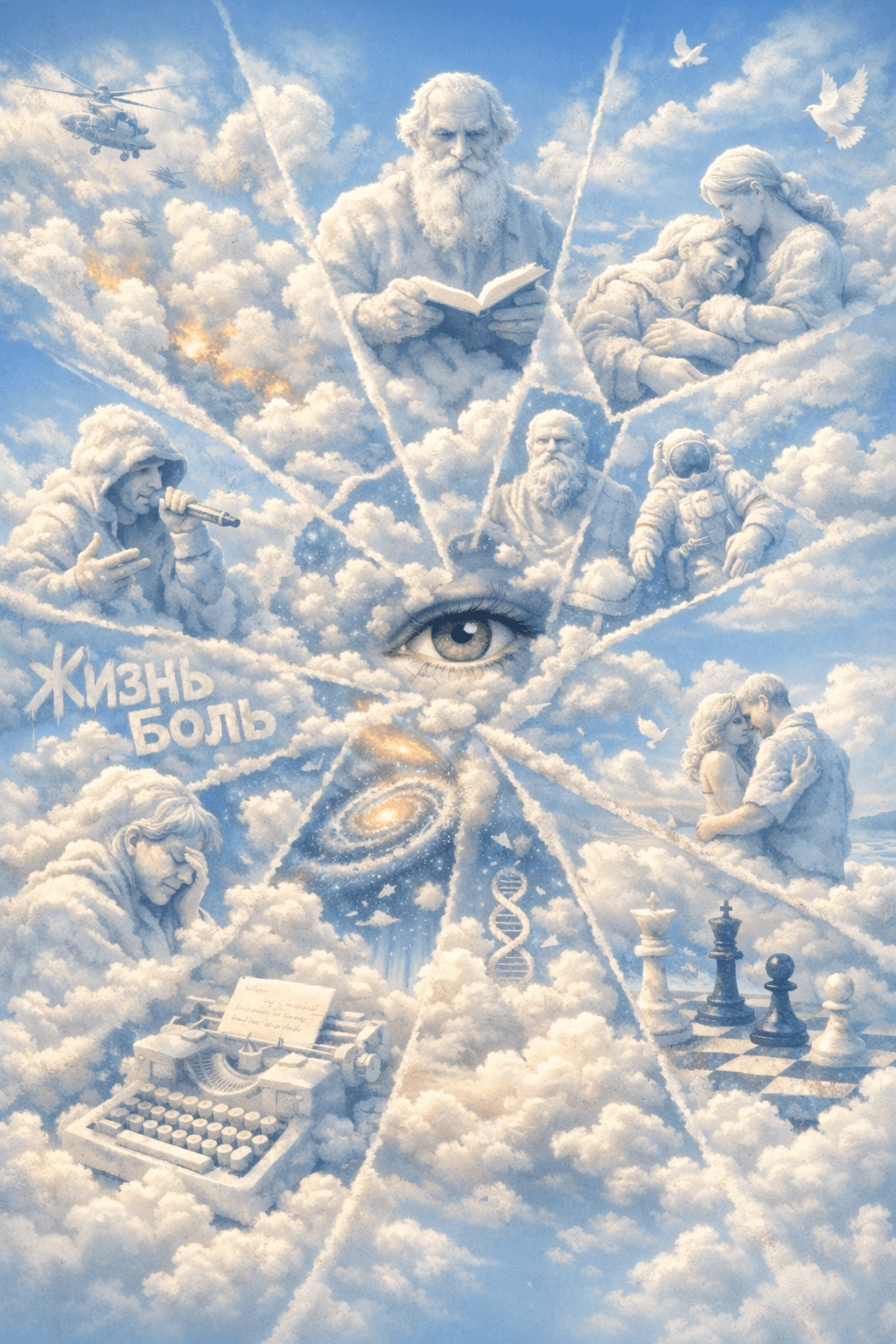
A philosophical and psychological text about war and peace in a person, the heterogeneity of cognition, inner conflict, compassion, and the acceptance of diverse life experience.
April 15, 2020 · Anton Kolhonen

A post about psychological projection and transference: how to distinguish another person’s reflection from accurate perception and avoid taking other people's interpretations as truth.
November 20, 2019 · Anton Kolhonen
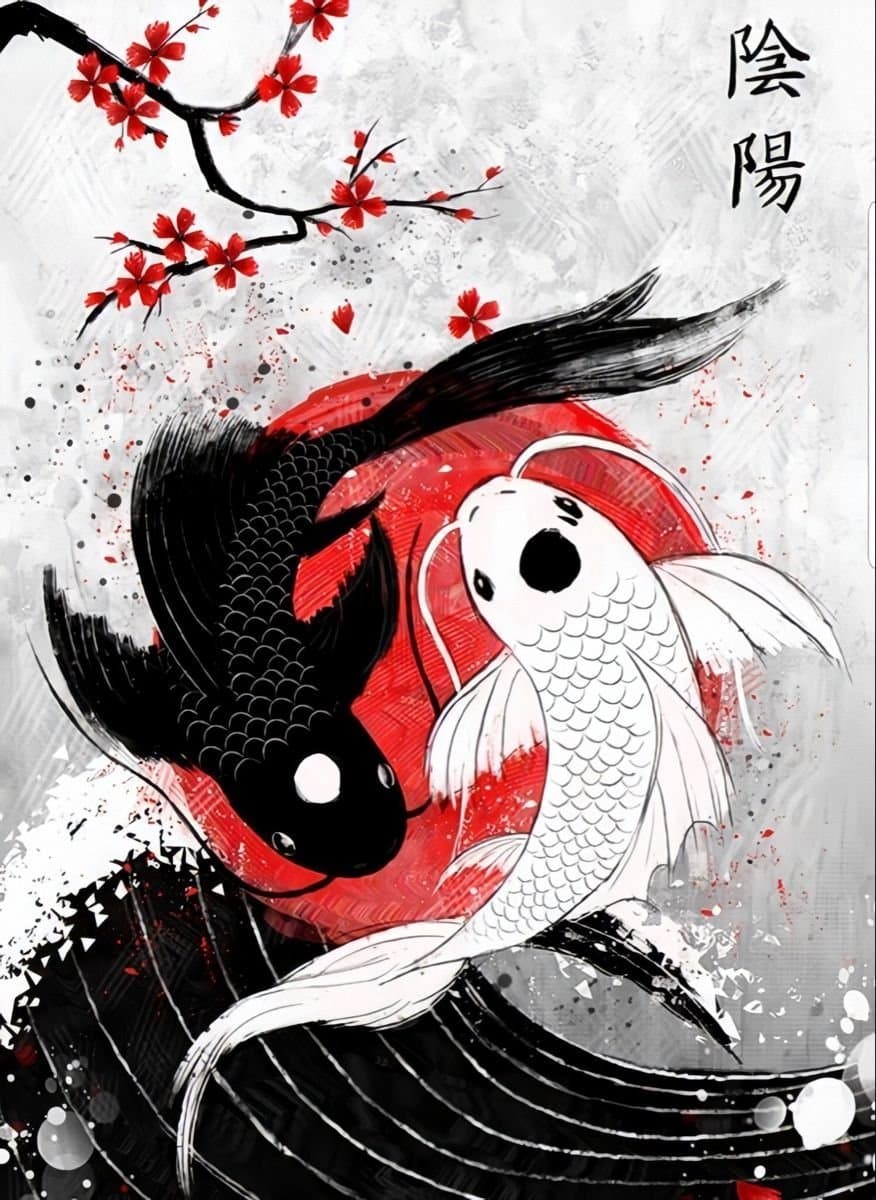
Love and need are seen as two different sources of movement: deficit pushes, and surplus leads. The text shows how their combination forms freedom and personal resilience.
November 19, 2019 · Anton Kolhonen
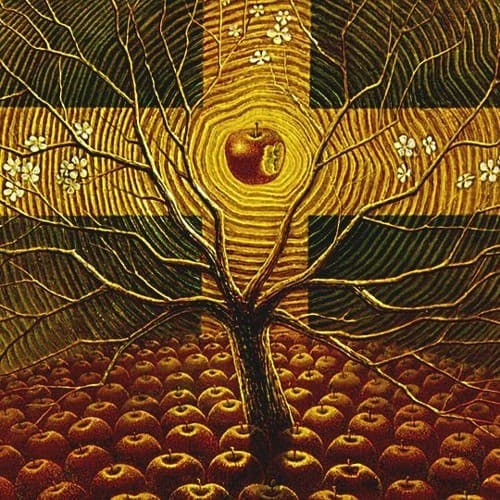
A short parable about the fall from grace, revealing the price of knowledge about good and evil through a dialogue between Adam, Eve, and the Serpent.
March 01, 2019 · Anton Kolhonen

The text considers religious faith a stage of historical and personal maturation, using Nietzsche’s ideas about freedom, overcoming Christian morality, and choosing one’s own compass of meaning.
August 13, 2018 · Anton Kolhonen