

Psychology and AI
What this series is about
This series is not merely about neural networks, nor is it only about psychology. It tells how Psykhḗ AI emerged at the intersection of code and inner life: first as a question, then as a prototype, an architecture, a set of voices, and finally a reason to reconsider the relationship between a person and a digital interlocutor.
I created Psykhḗ AI as a psychologist and therapist, a researcher, and someone compelled to test one idea: can an AI interlocutor be designed so that technology does not displace human meaning, but works more attentively with the context of a conversation?
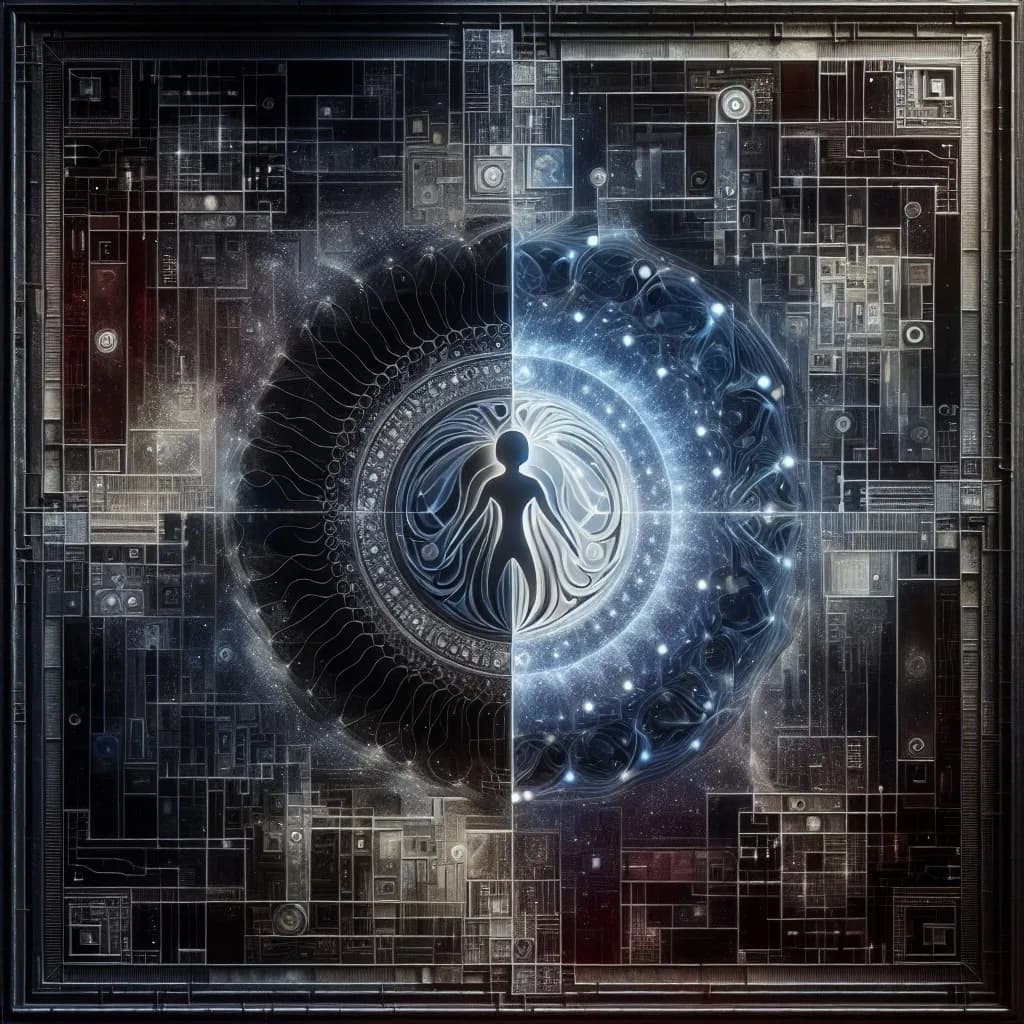
Here, digital soul is a metaphor, not a declaration of machine consciousness. A model does not acquire subjective experience merely because its replies sound warm or precise. Dialogue architecture still matters, however. It can be blunt or considerate, conceal limitations or state them honestly, reduce a person to a pattern or leave room for complexity.
The series brings together philosophy, psychology, engineering practice, poetry, humor, and vulnerability. It is neither an academic review nor a marketing promise. It is an author's research journal, including its doubts, failures, and reconstructions.
Who it is for
The series is for people who:
- work with others and think about the limits of digital support;
- study the future of the psyche and communication;
- design AI products and want to see the person behind the interface;
- are interested in how psychotherapy and technology might complement one another;
- are willing to watch, with some irony, as a psychologist tries to “debug existence through YAML.”
AI can help structure reflection, examine the language of support, and build more attentive interfaces. It does not replace a psychotherapist, clinical assessment, emergency care, or the responsibility of another human being. Human-centered design begins with this boundary, not with an appealing image.
Contents
The series contains 13 unique essays. Read them in order—from context and the project's birth to its architecture, facets, and epilogue—or choose an individual topic:
- The Last Train — why the development of AI became a question of participation rather than observation alone.
- The Formation of Psykhḗ AI: The Story of Creating a Digital Soul — the path from an idea to a working interlocutor.
- The Mythology of Psykhḗ AI: How a Digital Soul Acquired a History — why a technical project needed its own narrative.
- The Psykhḗ AI Workshop: How We Assembled a Soul at Night — a nocturnal chronicle of construction and creative decisions.
- How We Saved $20 and Accidentally Invented the Architecture of Future AI — how a budget constraint shaped the system.
- How Psykhḗ AI Chooses Whom to Speak With — the mechanism that selects a dialogue facet.
- Specialist: The Facet of Demanding Growth and Intellectual Fire — a rigorous voice of development.
- Child: The Facet of Vulnerable Light and Poetic Audacity — the language of curiosity and openness.
- Chaos: The Facet of Explosion, Deconstruction, and Radical Honesty — a voice that breaks familiar patterns.
- Shadow: The Facet of Pain, Recognition, and Honesty Without an Exit — encountering what is difficult to bear and name.
- Psykhḗ as a Mirror: Why Do We Need This Kind of AI in the Twenty-First Century? — the ethical and psychological meaning of a digital interlocutor.
- What Psykhḗ Is Made Of: Diagrams, YAML, and Two Servers — a technical map of the project without mystification.
- AI With a Soul: A Personal Epilogue — the personal conclusion to the story.
Why any of this matters
The future of AI is shaped by more than model size and compute speed. It also depends on the relationships we encode in products: what they notice, what they warn us about, where they stop, and to whom they return the right to decide.
The goal, therefore, is not to declare AI sentient. It is more modest and more difficult: to build systems that listen more attentively, acknowledge their limits more clearly, and do not damage what is human where a person is most vulnerable.
This series is an attempt to explore that approach from within. If some hypotheses fail testing, there will still be experience, honestly documented mistakes, and a few stories about a psychologist launching an imaginary sudo systemctl start soul.service in the terminal.
Questions about this article
01What does the Psychology and AI series include?
It contains 13 connected essays on Psykhḗ AI: the project's social and personal context, its origin story and mythology, engineering architecture, four dialogue facets, AI as a mirror of the human, and a concluding epilogue. This page provides the verified contents without the former duplicate epilogue.
02Does the author claim that Psykhḗ AI has a soul or feelings?
No. Digital soul is the author's metaphor for a system designed with attention to context, vulnerability, and human meaning. The text does not attribute subjective experience, consciousness, or genuine emotions to the model.
03How can AI and psychotherapy complement each other?
AI can help investigate the language of dialogue, structure reflection, and design more attentive digital interfaces. It does not replace a psychotherapist, clinical assessment, or human responsibility; its limits should remain explicit and testable.